


Is MouthTaping Safe?
The question of safety inevitably arises with the thought of placing tape over one’s mouth, thereby cutting off one of two sources of oxygen we all need to function - even remain alive. The question posed is not easily answered for those who may wish to try mouth taping as a cure, or at least partial cure, for snoring. Likewise, safety is important for those who are considering mouth taping as a way to achieve better quality or more restful sleep. There are several factors which must be assessed when answering this safety question. The first is the age of the mouth tape user. The second question is the characteristics of the tape that is to be used. These characteristics include the shape of the mouth tape, the material from which it is made, and the quality of the adhesive. Finally, and most importantly, the health status of the mouth tape user, generally and on any given occasion when mouth tape is in use.
Mouth Taping Benefits: Reduced Snoring and Restful Sleep
We will answer this safety question below, but we must first ask whether mouth taping is capable of rendering more restful sleep and whether it can help reduce snoring. The answer to both questions is yes, but with some qualification. There have been few scientific studies to evaluate the efficacy of mouth taping. The few studies and anecdotal accountings that have been reported affirm that mouth taping can reduce the level of snoring for many users but, even in users well-suited to mouth taping, the snoring may be reduced but not altogether eliminated. Same with sleep quality. The anecdotal and minimally studied results of mouth taping have reported more restful sleep and greater percentages of REM time, considered a measure of the highest quality sleep. However, this measure of sleep quality varies widely among users.
Liability Risks of Mouth Taping
Okay, so for one or both of these benefits, you may be willing to try mouthtaping provided it is safe. What is the safety record respecting mouth taping? Perhaps the clearest and most evident of any dangers would be the appearance of litigation in the form of product liability actions or regulatory actions against the makers or sellers of mouth tape. In the three to four years in which mouth tape has been an upward trending focus of the wellness business sector, there have been no such litigation or enforcement actions.
Notwithstanding the above, there has been one notable development that arguably responds negatively to the question, or perhaps the fear, of safety. On July 31, 2023 Amazon announced that mouth tape or “sleep tape” as it is sometimes called, will no longer be permitted for sale on its platform. Although Amazon did not give a reason for this action, it is fair to say that it sprung from a fear of litigation liability in the event harm would arise from a mouth tape user who purchased the product from Amazon. The Amazon announcement goes on to say, “Customers who use mouth tape while sleeping face potential risks, such as an allergic reaction and obstructed breathing.” Of course, this is a market place or commercial policy change rather than a court case or regulatory recall or penalty, but it suggests a concern about possible safety concerns on the part of a large distributor of mouth tape.
There is a 2022 litigation case that involves a teacher taping a disruptive student’s mouth shut as a matter of discipline. Scotch tape was used in this case and the context differs dramatically those who willingly use special-use mouth tape to either reduce snoring or secure a better night’s sleep, A lawsuit was also filed in a special-needs case setting, where tape was used to close the mouth of a special needs child. Again, there is an adjacency related to tape and mouth, but the context is entirely different from the voluntary and wellness focused mouthtaping that is trending today.
Risk Factors Relating to Mouth Taping
Age is the first risk factor noted above. Many mouth tape manufacturers or distributors caution that mouth tape should not be used with children under the age of 6. Presumably, this is the earliest age that children are deemed capable of knowing, in the event of anxiety or trouble breathing, that tape is covering their mouth and they need to open this second airway source. Most importantly, these children are deemed to have the physical capability to remove the tape. Of course, not all six-year old children are equal and this capability could vary from child to child. That is why most responsible mouth tape vendors advise that each individual user of mouth tape, regardless of age, should consult his or her medical advisor prior to using mouth tape.
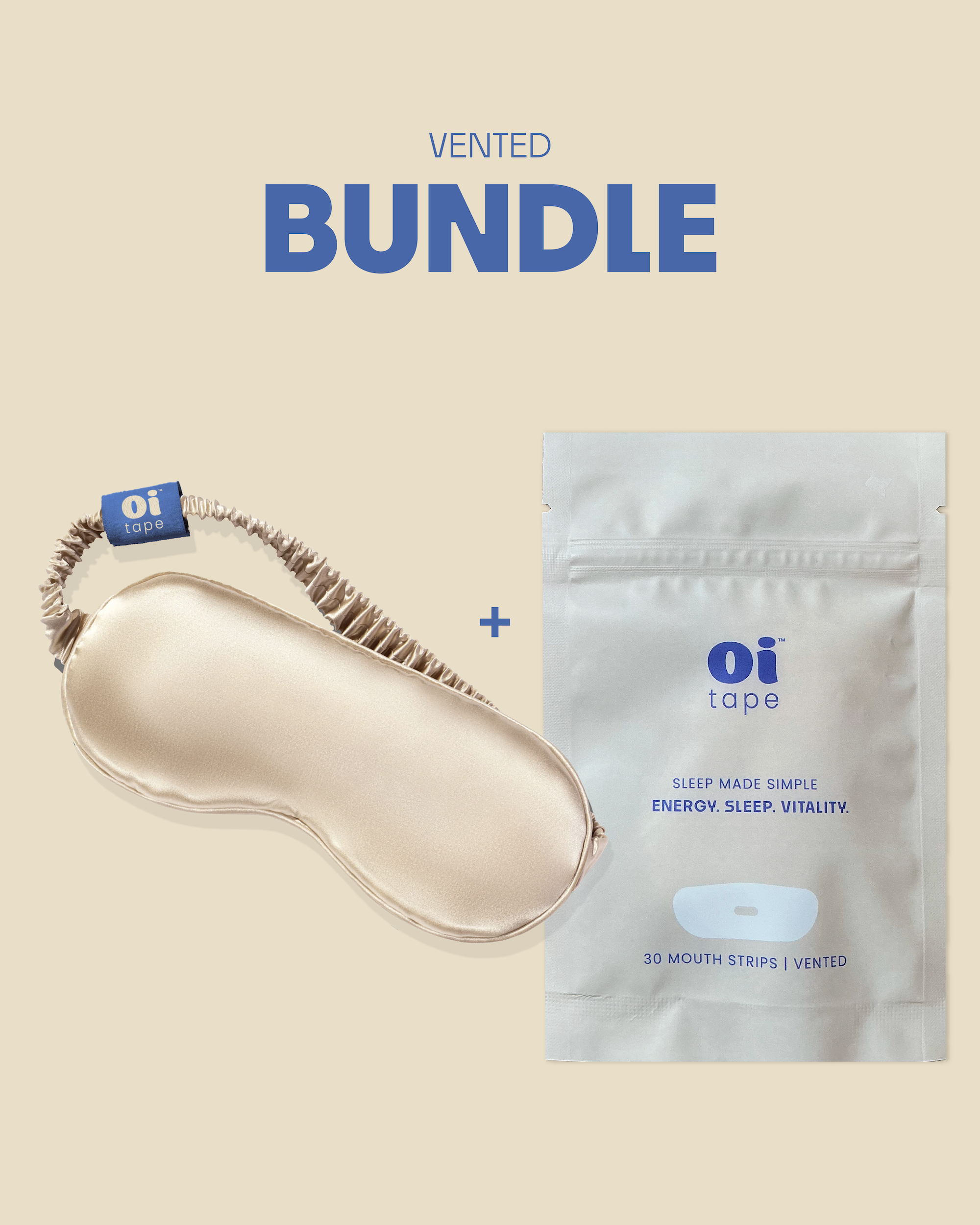
The second risk factor is the quality and design of the tape, especially the adhesive used. Regarding the design, there are many mouth tape configurations - some that permit some limited breathing through a hole in the tape, or due to a design that circumvents and pressures the lips closed, or by vertically closing the lips but allowing for breathing space at the corners of the mouth. Obviously, the more the design permits breathing while in use, the less the risk. In any case, the mouth tape should be designed for quick and effective removal. The quality of the tape is important, not only for prompt and painless removal, but also as related to the adhesive properties and their toxicity as related to generating skin rash. Most of the mouth tape offerings utilize acrylic adhesive, a substance that tends to irritate the skin of some users - especially over prolonged use. This article concludes with a review of oi tape, a high-quality mouth tape that uses silicone as its adhesive.
Health status is the next risk factor and certainly the biggest and most complex. Again, this factor looms large in the advice to seek medical advice prior to using mouth tape. There are any number of medical conditions that compromise one’s respiratory system. There are many advantages to nasal breathing and mouth tape is a method to increase one’s nasal breathing capacity. However, if one’s respiratory system is compromised due to asthma, obstructive or acute sleep apnea or similar medical impairments, mouthtaping will likely present asphyxiation risks that should be avoided. Even individuals without such impairments and who are otherwise approved to use mouth tape may have periodic obstructions due to a cold or sinus infection that, at least temporarily, remove them as a good candidate for mouth taping.
Additional Benefits of Mouth Taping
In addition to reduced snoring and more restful sleep, nasal breathing offers several other benefits. By keeping one mouth closed, dry mouth is avoided. Dry mouth occurs when one’s open mouth has saliva evaporates. Saliva provide a protective medium to fight bacteria and gum-enamel separation that can lead to tooth decay. Dry mouth also is known be a cause of bad breath. Finally, dry mouth also disrupts sound sleep as one’s mouth becomes uncomfortable as it dry. To prevent this from occurring many mouth breathers make placing a cold glass of water on their night stand. As dry mouth discomfort develops during the course of the night, mouth breathers awaken to sip the pre-set glass of cold water and return to sleep. This same dry mouth, discomfort, sips of water, and return to sleep can occur several times per night, leading to disrupted sleep.
Another benefit stems from the difference nasal breathing makes on your circulatory system and nervous system. Nasal breathing warms the air flowing into your lungs and delivers up to twenty percent more oxygen to your blood stream. This increased oxygen supply stimulates the release of nitric oxide and together has the effect of stimulating the sleeper’s parasympathetic nervous system to produce a meditative state with reduced anxiety. As noted above, these benefits have been anecdotally documented but have not been the subject of vigorous scientific study.
The final benefit that can be derived from mouthtaping over an extended period of time flows from the way mouth tape causes your tongue to sit high in your palate near your front teeth and the roof or your mouth. This tongue location helps the jaw structure below assume a more forward thrusting position and allows the palate to broaden. This jaw structure is helpful in allowing space for proper tooth development and, many believe, results in a more dominate and attractive positioning of the chin.
The Best Mouth Tape on the Market
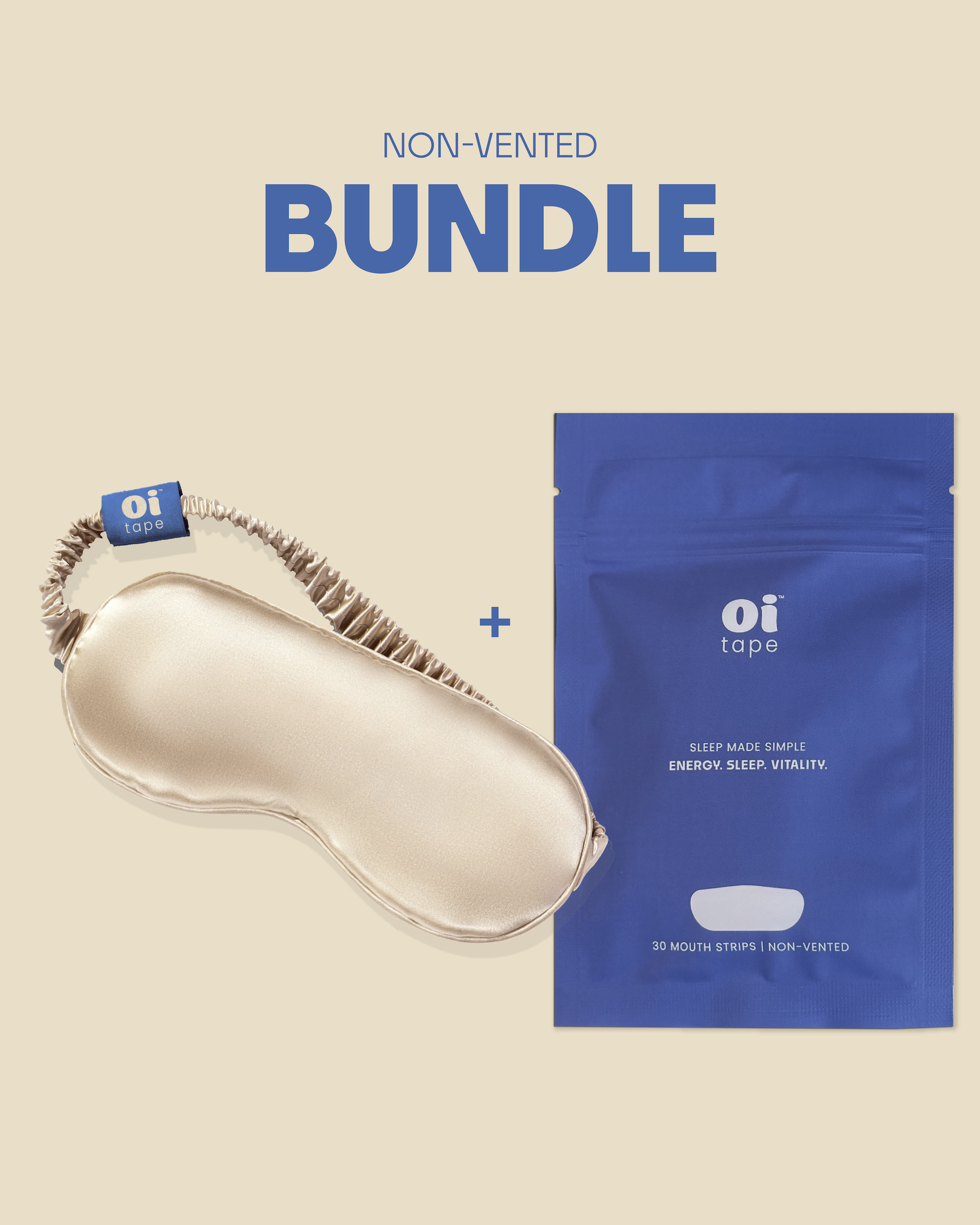
There are many brands of mouth tape on the market, each with different configurations and claimed benefits. There is only one available, oi tape, that has the following benefits:
-
Two configurations, vented and non-vented
-
Silicone adhesive to drastically reduce, if not eliminate, skin irritation around the lips
-
Medical grade fabric that is extremely lightweight and flexible
-
No artificial patterns or coloring, non-toxic and hypo-allergenic
-
No toxins - no parabens, BPA, latex, phthalate, or ‘forever chemicals’
-
Made in the USA