




What you need to enhance your pregnancy sleep
What You Need to Enhance Your Pregnancy Sleep
Pregnancy is a special time, but steady, restorative sleep can be elusive. If you’re searching for what you need to enhance your pregnancy sleep, you’re in the right place. From supportive pillows and breathable bedding to soothing white noise machines, the right sleep essentials can help you build a calm, comfortable bedroom. This guide explains why sleep matters during pregnancy, the most common hurdles to rest, practical strategies to improve your routine, and when to seek help. Whether you’re navigating trimester changes or fine-tuning your sleep setup, these insights and curated product ideas can help you drift off more easily and wake up refreshed. You’ll also find tips for better sleep during pregnancy and clear guidance on how to sleep better when pregnant, including 5 natural remedies for insomnia during pregnancy and general information about pregnancy sleeping aids.
Why Sleep Matters During Pregnancy
Quality sleep is fundamental to a healthy pregnancy. Consistent, restorative rest supports fetal development by helping regulate key hormones and promoting steady blood flow to the placenta. During deeper stages of sleep, your body prioritizes cellular repair and immune function—processes that support your baby’s growth and neurological development. Identifying what you need to enhance your pregnancy sleep—from a calming pre-bed routine to a supportive mattress and pillows—can make a noticeable difference for both you and your baby. Understanding how to sleep better when pregnant begins with creating a stable routine and considering safe pregnancy sleeping aids that focus on comfort rather than medication.
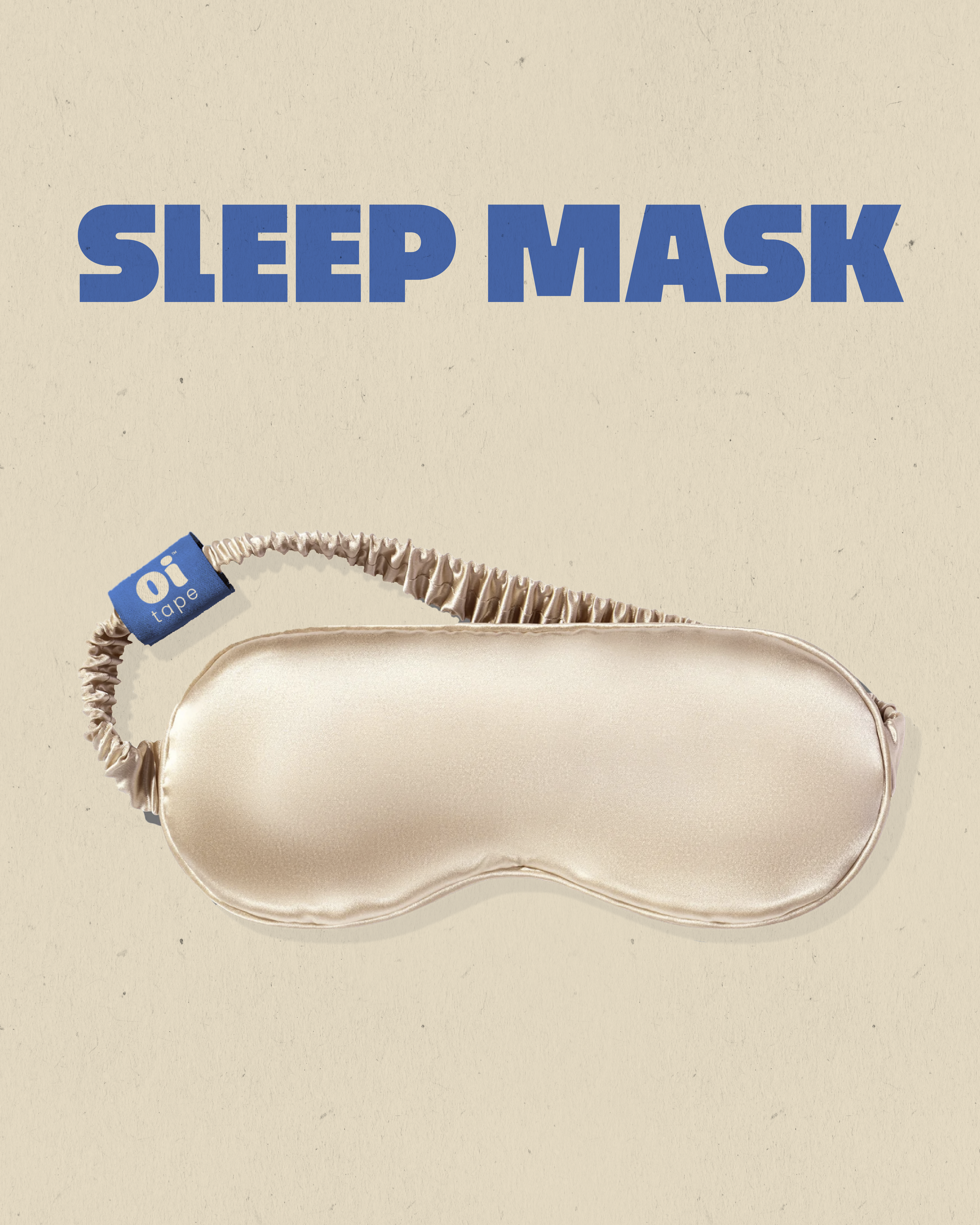
Sleep also plays a critical role in maternal health. Adequate rest helps balance mood and stress, supports healthy blood pressure, and can lower risks tied to chronic fatigue. Addressing discomforts like temperature swings and body aches often improves sleep depth and duration. Small upgrades—breathable sheets, properly sized pillows, and a quiet, darkened room—can transform your sleep environment. Consider elements such as adjustable bases, humidifiers, air purifiers, blackout window treatments, and gentle sound machines to reduce nighttime disruptions and create a more soothing space. Alongside these tips for better sleep during pregnancy, some people ask, “what can I take to sleep while pregnant?” Always speak with your clinician before using any pregnancy and sleep aids.
Building strong sleep habits during pregnancy delivers long-term benefits. A consistent schedule and comfortable sleep setup can ease the transition to postpartum nights and support overall well-being. By pinpointing what you need to enhance your pregnancy sleep now—such as the right mattress firmness, cooling linens, or reliable climate control—you establish routines that can serve you well into parenthood. Thoughtful, high-quality home essentials help you maintain these habits, promoting better rest today and healthier sleep patterns in the future. If you’re exploring a sleeping aid for pregnant individuals, prioritize non-medication strategies first and pair them with clinician-approved guidance.
Common Sleep Challenges During Pregnancy
Understanding what you need to enhance your pregnancy sleep starts with recognizing common obstacles. Physical discomfort typically increases as your body changes, making it harder to find a safe, supportive position. Side-sleeping—especially on the left—can improve circulation, but it often requires strategic cushioning. Soft yet supportive pillows can relieve pressure on hips, back, and knees, while breathable bedding helps regulate temperature. Body pillows, wedges, and cooling sheets can work together to reduce strain and maintain alignment throughout the night. These are foundational tips for better sleep during pregnancy and practical examples of how to sleep better when pregnant.
Hormonal shifts also impact sleep patterns. Changing levels of progesterone and estrogen may contribute to daytime sleepiness, nighttime restlessness, and frequent awakenings. A consistent wind-down routine, a cool, dark room, and gentle white noise can support deeper, more restorative sleep. Air purifiers and humidifiers can further refine your bedroom environment by improving air quality and maintaining comfortable humidity, which may ease congestion and dry skin. Before considering pregnancy and sleep aids or asking what can I take to sleep while pregnant, try 5 natural remedies for insomnia during pregnancy such as relaxation breathing, stretching, mindfulness, warm baths, and consistent wake times.
Anxiety is another common disruptor, especially as you plan for major life changes and adjust to new sensations. Prioritize relaxation with breathing exercises, light stretching approved by your healthcare provider, and a clutter-free sleep space to reduce mental load. Dimmable lighting helps lower stimulation before bed, while smart alarms and routines encourage regular sleep and wake times. These practical tools help you focus on what you need to enhance your pregnancy sleep by making it easier to stick to a soothing, predictable schedule. When non-medication strategies aren’t enough, discuss pregnancy sleeping aids with your clinician to determine a safe sleeping aid for pregnant individuals, if appropriate.
When to Seek Support for Sleep Issues
Knowing what you need to enhance your pregnancy sleep also means recognizing when occasional restlessness becomes a pattern. Signs of pregnancy insomnia may include lying awake for 30 minutes or more most nights, frequent awakenings with difficulty returning to sleep, persistent racing thoughts, or daytime fatigue that interferes with work or daily tasks. New or worsening snoring, pauses in breathing, morning headaches, or leg discomfort that compels movement can indicate conditions that warrant evaluation. If you’ve tried tips for better sleep during pregnancy and still struggle, it’s time to ask a clinician about how to sleep better when pregnant.
Reach out to your healthcare provider if sleep problems persist longer than two weeks, affect your mood, or occur alongside symptoms like elevated blood pressure, severe heartburn, or noticeable swelling. Your obstetrician or midwife can help pinpoint causes—such as reflux, nasal congestion, restless legs, or sleep apnea—and suggest safe, trimester-appropriate strategies. Bring a simple sleep log to your appointment noting bedtimes, wake-ups, and potential triggers like late meals, caffeine, or screen time. Discuss 5 natural remedies for insomnia during pregnancy you’ve already tried, and ask whether any pregnancy and sleep aids are suitable for your situation.
Exploring sleep aids and remedies during pregnancy should always be guided by your clinician. Non-medication approaches are usually the first step: consistent routines, a cool and dark bedroom, and supportive bedding. Many expectant parents find that upgrading comfort—choosing the right mattress firmness, breathable sheets, adjustable pillows, and blackout solutions—can ease pressure points, align the hips and back, and reduce awakenings. White noise devices can soften disruptive sounds, while air-quality tools help maintain clear, comfortable breathing. If additional remedies are recommended, your provider can advise on options suited to your stage of pregnancy while you continue to optimize your sleep environment at home. When asking what can I take to sleep while pregnant, remember that any pregnancy sleeping aids or a sleeping aid for pregnant individuals should be used only with medical guidance. By aligning medical advice with what you need to enhance your pregnancy sleep, you’ll have a safer, clearer path forward.